Multi-Tier Deck Designs: Unlock Your Outdoor Space's Full Potential
Multi-level deck designs offer a smart way to enhance outdoor spaces. These designs establish distinct zones for a range of activities, from outdoor meals to casual rest. Such designs work well with sloped or irregular ground and elevate the overall look of any residence. With a range of materials available, residents can strike the perfect harmony between design and resilience. The advantages go well beyond visual appeal, inspiring further consideration of how these layouts can revolutionize outdoor lifestyles. What opportunities lie ahead?
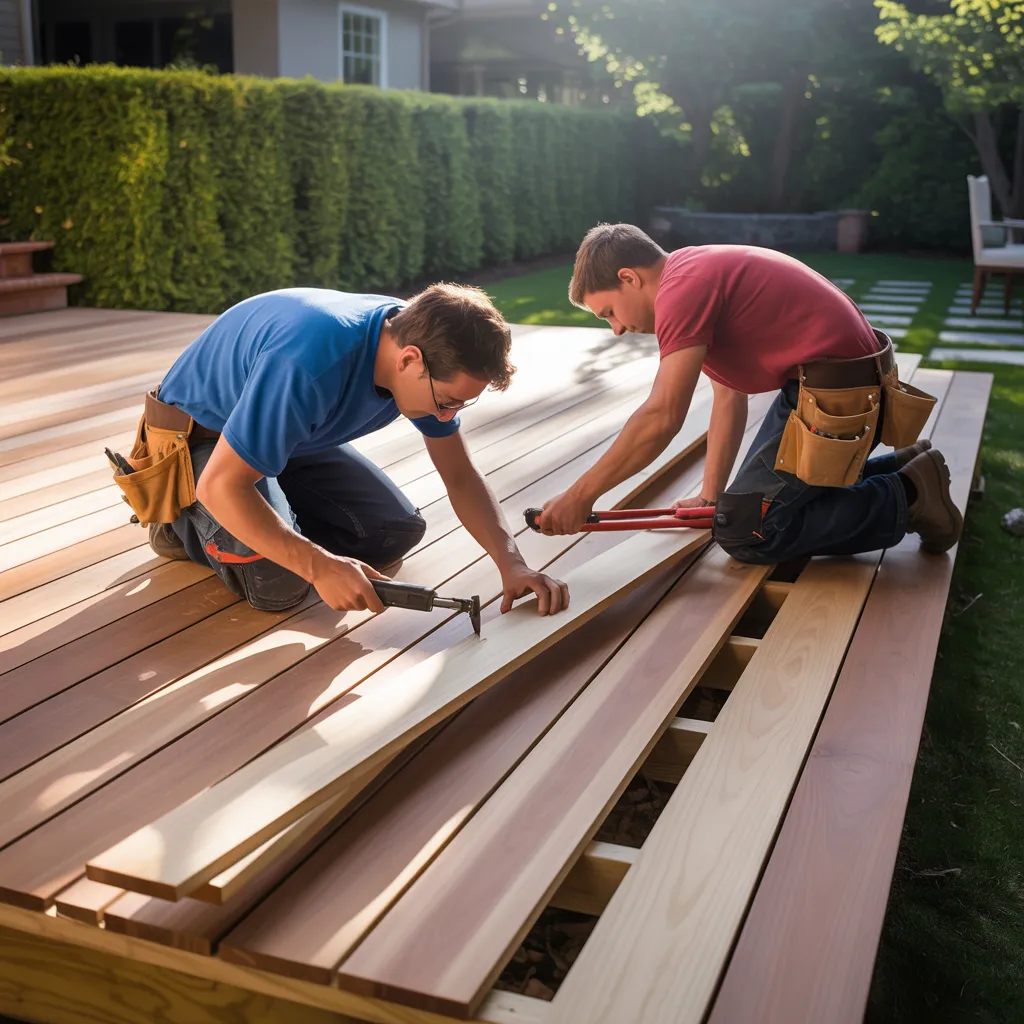
Why You Should Consider Multi-Level Decks
When property owners look to improve their outdoor living area, multi-level decks frequently stand out as an attractive choice. These designs offer an exceptional chance to establish separate areas for different activities, facilitating a more efficient and versatile outdoor space. By incorporating different levels, homeowners can conveniently establish sections for meals, leisure, or landscaping, rendering the area flexible for a variety of purposes.
Moreover, multi-level decks can boost the curb appeal of a residence, creating visual appeal through multiple elevations and configurations. This architectural concept can also effectively optimize sightlines, establishing inviting vantage points for relaxation or entertainment.
Additionally, they effectively manage challenging topographies, making it possible to make effective use of sloped or uneven ground. All things considered, multi-level decks present an innovative solution for homeowners seeking to enhance their exterior living areas while elevating both performance and appearance.
5 Major Advantages of Multi-Level Decks
Multi-story decks provide a variety of advantages that can substantially elevate outdoor living spaces. First, they provide dedicated spaces for various activities, such as entertaining, unwinding, or enjoying meals, giving homeowners the ability to maximize their exterior living zones. Additionally, the height can maximize scenic views and natural illumination, fostering a more appealing outdoor setting. Moreover, multi-level designs can accommodate sloped yards, turning problematic yards into practical outdoor spaces. Fourth, they can boost home value, attracting prospective buyers. Finally, the flexibility of multi-story decks opens up imaginative design possibilities, such as adding built-in seating, planters, or fire features, which can additionally boost the visual attractiveness. Together, these advantages create a highly functional, visually appealing, and enjoyable exterior space, positioning multi-level decks as a top selection for find now homeowners seeking to maximize their outdoor space's potential.
Top Materials for Your Deck
Selecting the right materials for a deck is essential, as it considerably affects both durability and aesthetics. Frequently used options are wood, composite, and PVC. Solid wood, such as redwood or cedar, gives a timeless look but demands regular maintenance to prevent rot and warping. Composite materials, made from a blend of wood fibers and plastic, provide a balance of low maintenance and beauty, protecting against fading and splintering.
PVC decking is another durable option, featuring a broad variety of colors and styles while being entirely resistant to moisture and insects.
In selecting materials, one must also take into account environmental responsibility; eco-friendly choices can lessen the impact on the environment. In the end, the decision of decking material should align with the property owner's design preferences, lifestyle, and budget, ensuring a beautiful and enduring exterior living space.
Designing Relaxation and Entertainment Areas
Within multi-level deck layouts, creating distinct relaxation and entertainment zones elevates outdoor living enjoyment. Dedicated lounge spaces create a tranquil environment for unwinding, while versatile dining spaces support social gatherings and dining. Strategic design of these spaces optimizes comfort and practicality.
Assigned Lounge Sections
Creating designated lounge areas within multi-tiered decks turns exterior spaces into appealing havens for leisure and social gatherings. These zones can incorporate comfortable seating, ambient lighting, and decorative elements that elevate the visual appeal. By carefully positioning furniture, such as comfortable couches, chaise lounges, and hanging hammocks, property owners can establish personal spaces that encourage social interaction or solitude.
Integrating features like fire pits or water elements can further elevate the environment, creating comfort and serenity. Additionally, deliberate greenery around these zones can provide an intimate and sheltered setting from nearby spaces. In summary, intentional seating areas function as vital elements in layered deck configurations, delivering multifunctional zones for unwinding and enjoying nature.
Multi-Purpose Dining Areas
Thoughtfully positioning dining areas across various levels establishes unique atmospheres, promoting leisure and meaningful connection. Selecting robust, weather-resilient materials secures long-term performance while preserving visual attractiveness. Additionally, integrating lighting options, such as string lights or lanterns, enhances the ambiance for evening gatherings. Ultimately, these thoughtfully designed dining spaces transform outdoor environments into multifunctional retreats, fostering connection and enjoyment among family and friends.
Landscape Design Tips to Improve Your Deck
Enhancing a multi-level deck can make it a vibrant outdoor living area. Integrating vertical green installations, stylish planter containers, and soft lighting arrangements produces visual charm and utility. These landscape additions not only beautify the area but also enhance the overall enjoyment of the deck.
Vertical Garden Installations
Vertical garden installations can significantly enhance deck environments, providing both visual charm and practical advantages. These innovative vertical gardens utilize wall-mounted planters or trellises, allowing homeowners to cultivate an assortment of plants without sacrificing valuable floor space. This creative method not only elevates the aesthetic quality of a deck but also supports a healthier setting by enhancing air quality. Additionally, vertical gardens can provide natural privacy screens, establishing a more private outdoor setting. Their flexibility enables the integration of herbs, flowers, or even vegetables, catering to personal tastes and gardening goals. By integrating these installations, homeowners can establish a vibrant, welcoming environment that transforms the overall feel of their multi-level deck arrangement.
Stylish Decorative Planter Boxes
Incorporating ornamental planter boxes into a multilevel deck can further elevate the outdoor space, enhancing the rich foliage from vertical gardening features. Such planter boxes fulfill both utilitarian and decorative roles, adding visual appeal at multiple elevations. Coming in a range of materials, such as wood, metal, or ceramic, they can be tailored to match the deck's overall style. Placing them strategically—along handrails, staircases, or corners—makes the most of the space while improving the overall atmosphere. Additionally, adding seasonal flowers or evergreen plants ensures year-round visual interest. Planter boxes may further be utilized to define areas, directing foot traffic and fostering inviting spaces for unwinding or hosting guests. At their core, they foster a seamless integration of greenery and structure within the multi-level deck environment.
Atmospheric Lighting Solutions
While a multi-level deck provides a stunning visual landscape, ambient lighting solutions play an essential role in transforming the space into a welcoming evening retreat. Thoughtfully positioned LED lights along the railings or built into steps improve safety while producing a gentle illumination. Hanging string lights overhead can add a whimsical touch, perfect for gatherings. Solar lanterns arranged along the deck's boundary deliver sustainable illumination, blending seamlessly with the natural landscape. Furthermore, recessed fixtures in integrated seating spaces encourage unwinding beneath the night sky. Through the use of diverse lighting choices, homeowners can create a cozy atmosphere that maximizes the functionality of their outdoor area, transforming it into a welcoming space for loved ones to cherish well past dusk.
Enhancing Safety and Accessibility on Your Deck
To maintain a secure and functional outdoor space, meticulous planning and design factors are necessary for multi-level decks. Installing non-slip surfaces is important, especially in moisture-prone zones. Handrails should be installed on all levels, making sure they comply with local building regulations for height and strength. Moreover, ramps can boost usability for those facing mobility difficulties, creating an easier passage between different levels.
Strategically placed landings can function as resting spots, simplifying movement across the deck. Broad walkways encourage mobility, providing room for wheelchairs and strollers. It is also advisable to limit pointed corners and extending components to decrease the chances of mishaps.
Safe emergency exit routes should be a top priority, with clear pathways leading to emergency exits. Routine inspection schedules can help detect safety risks, such as deteriorating boards or weakened handrails. By emphasizing accessibility and safety, tiered deck structures can become welcoming environments for everyone.
Lighting and Add-Ons for Multi-Level Decks
Enhancing the ambiance and functionality of tiered decks relies on carefully selected lighting and accessories. Proper lighting not only increases safety during nighttime use but also cultivates an enchanting outdoor setting. Alternatives such as lanterns, string lights, and recessed stair fixtures work to showcase structural details while delivering brightness. Solar energy lights deliver green lighting choices, delivering power efficiency without giving up design elegance.
Beyond lighting, accessories play an essential role in customizing the area. Think about adding outdoor rugs, cushions, and decorative planters to add comfort and visual interest. All-weather materials provide lasting quality, while vibrant colors can enliven the environment. Fire pits or tabletop heaters can extend usability into cooler evenings, creating a cozy atmosphere and central meeting spot. By carefully selecting lighting and accessories, homeowners can turn their multi-level decks into dynamic, welcoming retreats for leisure and social gatherings.
Captivating Multi-Tiered Deck Ideas to Transform Your Home
Numerous homeowners are finding out about the benefits of multi-tiered decks, which deliver a remarkable mix of practicality and visual charm. A popular approach is to design dedicated spaces for eating, unwinding, and planting, creating opportunities for diverse outdoor enjoyment. A stepped configuration can seamlessly integrate a hot tub on the upper tier, while bottom levels can showcase cozy lounging spaces surrounded by lush landscaping.
Incorporating built-in planter boxes and seating areas can make the most of space and improve the overall aesthetic. Another creative approach involves using different materials, such as wood and composite decking, to create a clear visual definition between levels.
For those with scenic views, strategically placing a scenic overlook can establish an ideal area for unwinding. Additionally, installing a fire pit on a lower level can cultivate an inviting setting for nighttime get-togethers. These design elements not only enhance the outdoor living space but also add significant value to the home.

Common Questions and Answers
How Can I Keep a Multi-Level Deck in Good Condition Over Time?
To keep a multilevel deck over time, conduct routine inspections for damage, clean all surfaces, apply protective sealants, ensure adequate drainage, and fix any structural concerns quickly. Regular upkeep prolongs the deck's life and maintains its visual appeal.
What Permits Do You Need for Constructing a Multi-Level Deck?
To build a multilevel deck, you will generally need permits for construction, electrical work, and possibly zoning compliance. Municipal regulations differ, so checking with your local building authority guarantees compliance with structural and safety requirements.
Is It Possible to Add a Hot Tub to My Multi-Level Deck?
Absolutely, a hot tub can be installed to a multi-level deck. Nevertheless, the overall structural soundness must be evaluated, and local codes and necessary permits should be followed to confirm safety and compliance throughout the installation process.
What Costs Are Involved in Building a Multi-Level Deck?
The pricing for building a multi-level deck usually span from $15 to $30 per square foot, depending on materials, design complexity, and labor. Extra costs can come from permitting, utility requirements, and landscaping factors.
How Can I Select the Best Contractor for My Deck Project?
Selecting the best contractor includes researching credentials, reviewing past projects, collecting various bids, and verifying references. Open communication and a clear understanding of project expectations are also critical for a successful working relationship and project completion.